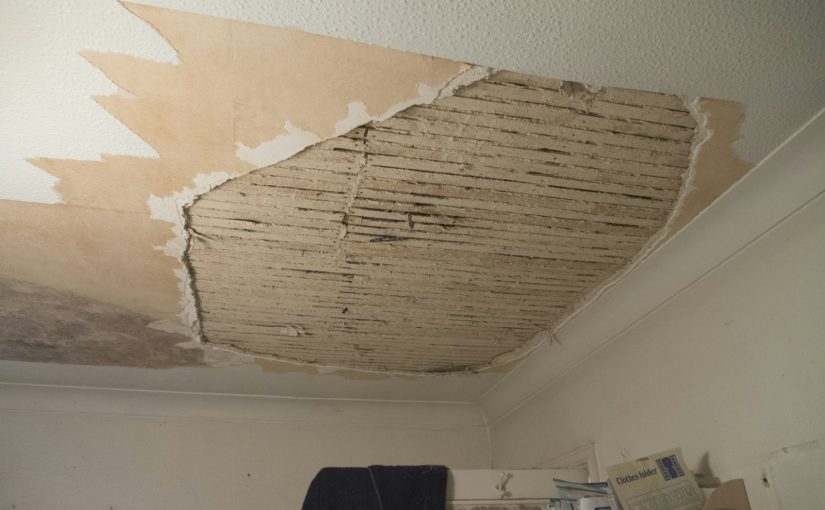
Big claims often involve a professional who assesses the damage. Knowing whose side they’re on helps you manage the process.
Key things to know
- A loss adjuster is appointed and paid by the insurer to investigate and value a claim.
- A loss assessor is appointed by you to prepare and negotiate your claim, usually for a fee.
- Adjusters are common for large or complex home claims, such as flood, fire or escape of water.
- Good records and clear evidence make an adjuster’s visit simpler.
For a burst pipe that ruins a kitchen, or a fire that damages several rooms, your insurer may send a professional to look at the claim. It helps to know who’s who.
Adjuster or assessor?
| Loss adjuster | Loss assessor | |
|---|---|---|
| Appointed by | The insurer | You |
| Paid by | The insurer | You, often a percentage of the settlement |
| Role | Investigate the claim and recommend a settlement | Prepare your claim and negotiate for you |
Loss adjusters are expected to be fair, but they work on the insurer’s behalf.
What an adjuster does
- visits the property and inspects the damage
- checks the cause and whether it’s covered
- assesses what repairs or replacements are needed
- recommends a settlement and may manage repairs
Preparing for the visit
- Gather photos and video of the damage, taken as early as possible.
- List damaged items, with receipts or approximate ages and costs.
- Keep damaged items unless the insurer agreed you could dispose of them.
- Have any emergency repair receipts ready.
Worth doing
Ask the adjuster for their contact details and the next steps before they leave, and confirm anything important by email.
Check your policy
Some firms door-knock or cold-call after floods and fires offering to handle claims for a fee. Take your time, check what you’d pay and whether you need help at all.
Keeping the claim moving
Large claims take time, especially when repairs are involved. Keep a log of every contact and chase politely if deadlines slip. If you disagree with the outcome, our guide to rejected claims explains how to complain, including to the Financial Ombudsman Service.
Questions answered
Do I have to pay the loss adjuster?
No. The insurer pays the loss adjuster.
Should I hire a loss assessor?
It can help with very large or complicated claims, but assessors usually take a percentage of the settlement. Many claims are handled well without one.
Can I disagree with the adjuster’s valuation?
Yes. Provide evidence such as quotes or receipts, and if you can’t agree, use the insurer’s complaints process.
This guide is general information, not financial or insurance advice. Policies differ, so always read your own policy documents and check with your insurer. If you have a complaint, your insurer’s complaints process and the Financial Ombudsman Service can help.